We build more putting greens in Alpharetta and Milton than anywhere else we work, and the conversation always starts the same way: how much, and is it going to putt like a real green or like a rug with a hole in it. Both are fair questions, and the answer to the second one decides the first.
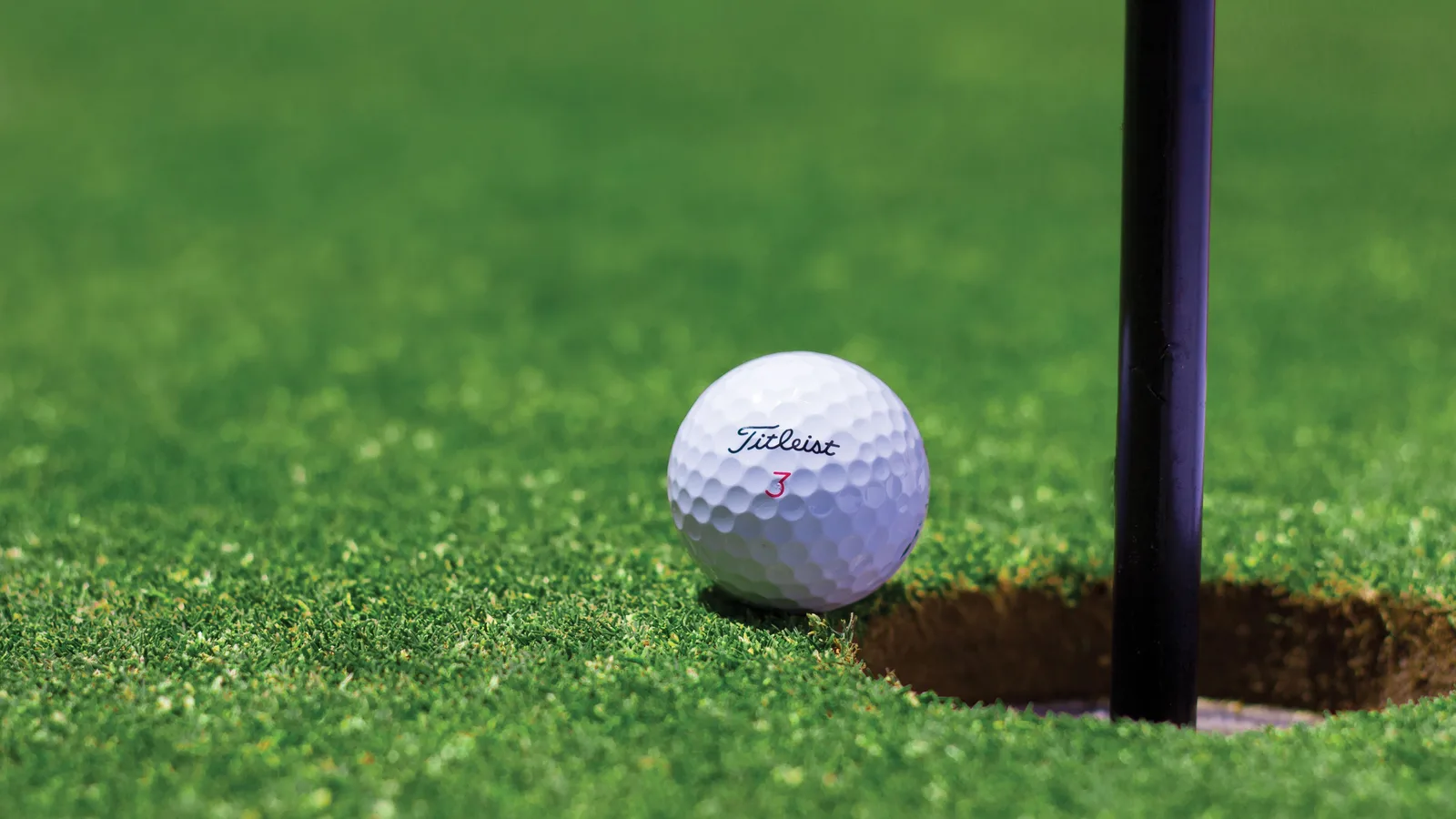
A putting green is artificial turf, but it is not the same product as a lawn. The pile is much shorter — around half an inch against an inch and a half — and it's a nylon rather than a polyethylene blade, because nylon stands back up after a ball rolls over it. The infill is heavier and brushed in deeper. None of that is optional if you want a consistent roll.
The base is where the money and the quality actually go. A lawn base needs to be flat and to drain. A green base needs to hold a contour to within a fraction of an inch across its whole surface, which means a finer crushed stone, more compaction passes, and grading checked with a laser rather than by eye. Get that wrong and the green has a permanent break nobody designed, and no amount of brushing fixes it.
Size drives the cost more than anything else. A single-hole practice green with a couple of putting lines runs small — often 200 to 400 square feet — and fits in a corner most people weren't using. Three holes with real contour and a fringe collar is a different project, typically 600 to 1,000 square feet, and it starts to want its own drainage plan.
A few things are worth deciding before we build rather than after. How fast do you want it? Green speed is set by pile height and infill depth, and a fast green is unforgiving to putt on if you're not a low handicap — most people are happier a little slower than they think. Where does the sun sit? A green in full afternoon sun gets hot and the nylon holds that heat. And do you want a fringe? A collar of longer turf around the green makes chipping possible and makes the whole thing look intentional.
Then there's what surrounds it. A green with a chipping approach needs a run-up area you can actually take a divot-free swing from. If you're planning to hit into it, we'd rather build that in from the start than have you discover afterwards that the only approach line points at the kitchen window.
Maintenance is close to nothing, which is the point. Brush it in the direction of play every few weeks so the nylon stands up, blow the leaves off, and have the infill topped up every year or two. No mowing, no rolling, no watering, and it's playable the morning after rain.
The thing most people underestimate is how much a green gets used. A lawn is looked at. A green is walked on nearly every evening, which is why it's usually the part of a backyard project people say paid for itself.
Thinking about one? Call Ricky Ricardo Professional Turf at (678) 900-8347. We'll walk the yard, mark the footprint on the ground, and you'll see the size and the contour before anything is dug.